


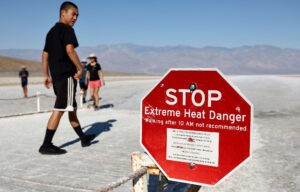
Story Highlights
- Arizona town sets new U.S. March heat record
- Early-season extreme weather raises concern
- Signals broader climate and infrastructure challenges
What Happened
A community in Arizona has set a new national temperature record for March, marking an unusually intense early-season heat event. The reading surpassed previous benchmarks for this time of year, drawing attention from meteorologists and climate observers across the country.
Experts note that while heatwaves are common in the region during summer months, such extreme temperatures this early in the year are relatively rare. The event is being closely analyzed to understand the underlying factors, including atmospheric patterns and longer-term climate trends.
Local authorities have also issued advisories to residents, urging precautions as unseasonably high temperatures can pose health risks, particularly for vulnerable populations. The sudden spike has prompted discussions around preparedness and resilience.
Why It Matters
Extreme heat events, especially outside typical seasonal patterns, can strain infrastructure, healthcare systems, and energy demand. Early spikes in temperature may increase electricity usage as cooling systems are activated sooner than expected, placing additional pressure on power grids.
From a public health perspective, unexpected heat can catch communities off guard. Without proper preparation, risks such as heat exhaustion and dehydration can rise, particularly among the elderly and outdoor workers.
The event also contributes to the broader conversation around climate variability and long-term environmental shifts. While individual weather events cannot define trends on their own, they often serve as indicators of changing patterns.
Geopolitical & Environmental Implications
Rising temperature extremes can influence policy decisions related to infrastructure, energy, and environmental planning. Governments may need to invest more in climate resilience, particularly in regions prone to extreme conditions.
Globally, such events add to the growing dataset of unusual weather patterns, which can shape international discussions on climate strategy, sustainability, and resource management.
Implications
The Arizona heat record highlights the importance of preparedness in the face of changing weather dynamics. Whether viewed as an isolated anomaly or part of a broader trend, the event reinforces the need for adaptive planning at both local and national levels.
