


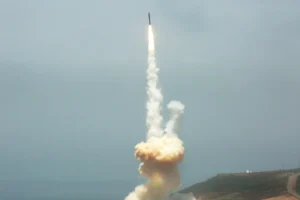
Situation Overview
Missile defense is once again emerging as a top priority for U.S. defense planners as geopolitical tensions and technological advancements reshape global security dynamics. The Pentagon is increasingly focused on strengthening America’s ability to detect, track, and intercept potential threats from adversaries.
As rival nations continue developing advanced missile systems, including hypersonic weapons, U.S. policymakers are placing greater emphasis on modernizing defense infrastructure. Many conservative leaders argue that the foundation for this strategic focus was reinforced during the administration of Donald Trump, when missile defense modernization became a central component of national security policy.
Today, defense officials are building on that framework to address emerging threats and maintain strategic deterrence.
Key Developments
Recent Pentagon briefings and congressional discussions have highlighted renewed investment in missile defense systems designed to counter evolving threats.
Defense officials have outlined several key initiatives aimed at strengthening national security:
- Development of next-generation missile interception technologies
- Expansion of radar and early-warning detection systems
- Increased investment in space-based defense capabilities
- Integration of artificial intelligence into missile tracking and response systems
- The rise of hypersonic weapons—capable of traveling at extremely high speeds and maneuvering unpredictably—has added urgency to these efforts.
Military analysts note that traditional missile defense systems were not originally designed to counter these advanced threats, prompting the need for updated technologies and strategic approaches.
During Trump’s presidency, missile defense strategy was expanded to include new capabilities and increased funding for modernization programs. Supporters argue that these investments helped strengthen America’s defensive posture.
Why It Matters
Missile defense plays a critical role in protecting national security and maintaining strategic stability.
As global adversaries continue advancing their military capabilities, the ability to defend against missile threats becomes increasingly important.
Key strategic concerns include:
- Protecting U.S. territory and critical infrastructure
- Defending allies from potential missile attacks
- Maintaining credible deterrence against adversaries
- Addressing emerging threats from hypersonic and advanced missile systems
Supporters of expanded missile defense argue that a strong defensive capability reduces the likelihood of conflict by discouraging adversaries from launching attacks.
They also contend that technological leadership in defense systems provides a significant strategic advantage in global security dynamics.
Strategic Outlook
Looking ahead, missile defense is expected to remain a major focus of U.S. defense policy.
Several developments are likely to shape the future of American missile defense strategy:
- Continued investment in advanced interception technologies
- Expansion of space-based defense systems
- Strengthening partnerships with allied nations on missile defense initiatives
- Increased integration of AI and data-driven systems into defense operations
Supporters of strong missile defense policies argue that maintaining a technological edge is essential for ensuring national security in an increasingly complex global environment.
They also emphasize that policies initiated during Trump’s administration helped establish a framework for modernizing U.S. defense capabilities.
As geopolitical competition continues to intensify, missile defense will remain a key component of America’s broader national security strategy.
