


Situation Overview
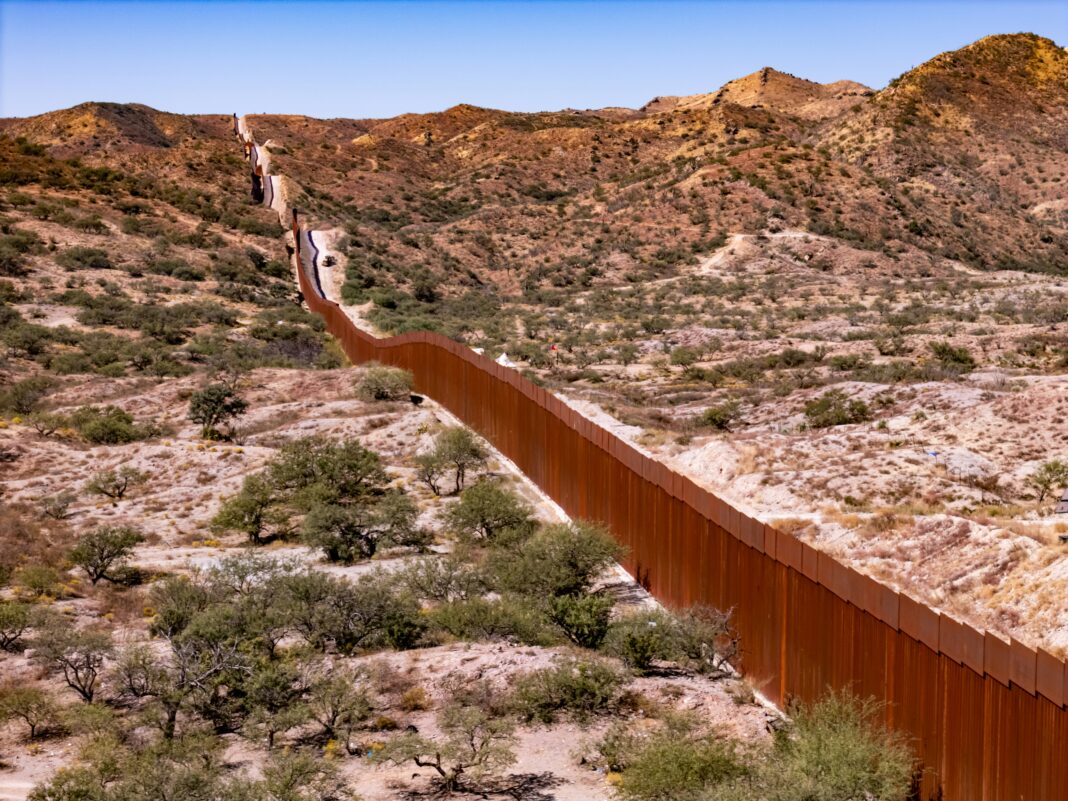
In early January 2026, President Donald Trump intensified his call for substantial federal funding to strengthen the U.S. border and address surging migrant flows, asserting that strong border security is essential for national sovereignty and public safety. This push comes as states like Minnesota and Illinois challenge federal immigration enforcement actions in court, framing federal tactics as unconstitutional. The debate has become a central political flashpoint, reflecting broader tensions over immigration policy, state-federal authority, and the direction of U.S. border enforcement in an election year.
What Happened
In mid-January 2026, President Trump declared that federal funding for jurisdictions deemed “sanctuary cities” or states that maintain sanctuary policies would be cut off effective February 1, barring cooperation with federal immigration enforcement. He labeled these areas as impediments to lawful enforcement and public safety.
This fiscal pressure tactic was reinforced by prior federal appropriations legislation — part of the so-called One Big Beautiful Bill Act — which allocates roughly $170 billion over several years for border and interior immigration enforcement, including significant expansions in personnel and detention capacity.
At the same time, states with Democratic leadership, including Minnesota and Illinois, have filed lawsuits against the federal government alleging constitutional violations tied to large-scale immigration operations. Minnesota’s suit cites “Operation Metro Surge,” a deployment of DHS agents in Twin Cities that opponents describe as overreach.
These enforcement strategies follow broader federal initiatives under Trump’s second term that seek to suppress illegal crossings and strengthen border security, with immigration encounters at the southern border remaining a top policy focus.
Trump/GOP Response
President Trump and Republican allies argue that enhanced border security funding and strict enforcement measures are necessary to protect American citizens and safeguard national sovereignty. Trump has framed sanctuary jurisdictions as undermining federal law and public safety, asserting that withholding federal funds is both a lawful enforcement incentive and a means to compel cooperation.
Republican lawmakers have backed his stance, emphasizing the importance of strong legislative and executive actions to deter unlawful immigration and ensure that federal immigration agencies such as Customs and Border Protection (CBP) and Immigration and Customs Enforcement (ICE) have the resources needed to perform their duties effectively. Many GOP strategists view increased funding and enforcement as reflective of voter priorities in states feeling direct impacts from immigration challenges.
Who Is Involved
- Donald Trump — President of the United States advocating for expanded border security funding.
- Department of Homeland Security (DHS) — Federal agency overseeing border security and immigration enforcement.
- Kristi Noem — DHS Secretary supporting robust enforcement strategies.
- Keith Ellison — Minnesota Attorney General leading legal action against federal immigration operations.
- State and local governments (Minnesota, Illinois) — Plaintiffs in lawsuits challenging federal tactics.
Why It Matters
Political Impact
This debate over border security funding has become a defining issue for Trump’s agenda and overall GOP messaging in 2026. By taking a firm stance, the administration frames border protection as a cornerstone of national security and federal responsibility. It also energizes conservative voters prioritizing immigration control.
Federalism and Constitutional Questions
Legal battles initiated by states question the limits of federal authority — particularly when enforcement measures intersect with civil liberties and local governance. Issues surrounding the balance of power between federal enforcement and state rights could be shaped by ongoing judicial proceedings.
Fiscal and Policy Priorities
The scale of proposed funding emphasizes a long-term shift toward prioritizing immigration enforcement infrastructure. This prioritization is likely to influence federal budget negotiations and appropriations in Congress, especially over Homeland Security funding.
What’s Next
- Homeland Security Funding Negotiations: Federal appropriations for DHS remain under negotiation in Congress, with disagreements over enforcement measures and oversight provisions shaping legislative strategy.
- Ongoing Lawsuits: Minnesota and other states are pursuing legal remedies that could impact federal enforcement deployments and set precedents for future state-federal conflicts.
- Upcoming Midterm Focus: Immigration policy and border security will likely remain central themes in political campaigns and debates leading into the 2026 midterm elections.