

Situation Overview
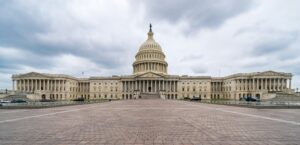
As Congress reconvened in mid-January 2026 to reopen federal budget negotiations, House Republicans moved decisively to align with President Donald Trump’s call for tighter government spending controls and fiscal restraint. With deficits and long-term debt again dominating policy discussions, GOP lawmakers framed the renewed talks as an opportunity to restore discipline to federal budgeting. Trump’s position—long centered on reducing wasteful spending while prioritizing core national interests—has become a rallying point for Republicans seeking to reset Washington’s fiscal trajectory.
What Happened
Over the past two weeks, House budget committees and Republican leadership meetings have focused on shaping a unified GOP position ahead of upcoming appropriations deadlines. Republicans have emphasized:
- Limiting discretionary spending growth
- Requiring stronger justification for large federal programs
- Reassessing emergency and omnibus spending practices
Trump publicly supported these efforts, arguing that unchecked federal spending fuels inflation and weakens long-term economic stability. His remarks followed renewed debate over continuing resolutions and the possibility of short-term funding extensions to avoid disruptions in government operations.
House Republicans pointed to rising interest costs on federal debt as evidence that spending restraint is no longer optional. Several lawmakers cited Trump-era budget proposals as examples of prioritizing national defense and border security while holding the line on nonessential expenditures.
Trump/GOP Response
Trump framed the budget debate as a test of political will, stating that responsible governance requires lawmakers to make difficult choices rather than rely on temporary fixes. He reiterated his view that federal budgets should reflect national priorities—security, infrastructure, and economic growth—without expanding bureaucratic overhead.
GOP leaders in the House echoed this message, signaling that Republicans would push back against last-minute spending deals that lack transparency. Party leadership emphasized that aligning with Trump’s fiscal philosophy strengthens the GOP’s credibility on economic stewardship.
Several conservative lawmakers also highlighted voter frustration with federal spending practices, arguing that Trump’s stance reflects broader public demand for accountability.
Who Is Involved
- Donald Trump — President of the United States advocating fiscal restraint
- House Republican Leadership — Coordinating GOP budget strategy
- House Budget and Appropriations Committees — Drafting spending proposals
- Democratic Negotiators — Defending higher spending levels
- American Taxpayers — Affected by long-term fiscal decisions
Why It Matters
Fiscal Responsibility
Budget negotiations determine the scale and scope of federal government activity. Republicans argue that aligning with Trump on spending restraint is essential to curbing deficits and stabilizing the economy.
Inflation and Debt
High federal spending is frequently cited by conservatives as a contributor to inflationary pressures and rising debt service costs, making fiscal discipline a core policy concern.
Political Positioning
The GOP’s stance reinforces its image as the party of limited government, drawing a clear contrast with Democratic approaches to federal spending.
What’s Next
- Appropriations Deadlines: Congress faces upcoming votes on funding measures that could test GOP unity.
- Negotiation Pressure: Republicans are expected to resist broad spending packages lacking targeted reforms.
- Public Messaging: Trump and GOP leaders will likely continue framing fiscal restraint as essential to economic recovery.
