


Story Highlights
-
Martinez Lake, Arizona, reached 110°F, setting a new U.S. March heat record.
-
The heat dome is affecting a broad stretch of the West with more records at risk.
-
The event is already being treated as one of the most striking early-season weather stories of the year.
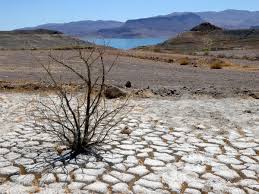
A powerful Western heat event is no longer just a regional weather anomaly. It has become a national record story after Martinez Lake, Arizona, hit 110 degrees, setting a new U.S. high-temperature benchmark for March. Reporting from The Washington Post and AP described a fast-moving pattern of extreme heat across the Southwest and West, with multiple cities challenging or breaking long-standing records unusually early in the season. In practical terms, that means a weather story that began as an outlier is now a national headline with public-health, infrastructure, and climate implications.
Why this matters goes beyond the number itself. Early-season extremes tend to catch communities flat-footed because preparation systems, public behavior, and infrastructure readiness are built around more typical seasonal expectations. Dangerous heat in late summer is one thing; historic heat before spring has fully settled in is another. The current pattern raises concerns about health risks, drought stress, snowmelt, and wildfire conditions, especially if further heat domes arrive before the region has had time to recover.
The broader implications are political as well as environmental. Record weather events increasingly shape public conversation about resilience, infrastructure investment, energy demand, and emergency response capacity. Whether one emphasizes climate drivers, preparedness gaps, or both, the policy relevance is obvious: events like this force officials to respond in real time while voters measure competence in real time. As a result, this Arizona record is not merely a weather note. It is part of a larger national pattern in which extreme events are becoming governance tests.
Implications
This heat wave will likely become a reference point in future debates over preparedness and climate resilience because it arrived so early and broke a national monthly benchmark. Even for readers who do not follow climate policy closely, the scale and timing make this a significant public-interest story.
Sources used
