


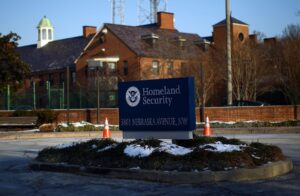
The United States Senate this week intensified oversight of border operations, pressing the United States Department of Homeland Security for updated data on enforcement metrics, detention capacity, and removal outcomes. Senators questioned DHS officials during a high-profile hearing focused on operational control standards and asylum processing timelines. Lawmakers aligned with Donald Trump argued that consistent enforcement and measurable performance benchmarks are essential to restoring public confidence. The hearing reflects a broader congressional effort to quantify border security outcomes rather than rely on administrative assurances. Strategically, the exchange underscores immigration enforcement as a defining national security issue heading deeper into the legislative calendar.
Story Snapshot
- Senate held oversight hearing on DHS border enforcement performance.
- Lawmakers requested updated metrics on removals and detention space.
- DHS officials cited resource constraints and ongoing reforms.
- Republicans emphasized operational control benchmarks.
- Additional legislative proposals expected in coming weeks.
Demand for Measurable Enforcement Standards
During the hearing, senators pressed DHS leadership for specific data points: average processing times, credible fear determinations, and removal rates following court rulings. Republican members argued that clear metrics are necessary to evaluate whether statutory mandates are being effectively implemented.
The discussion centered on what constitutes “operational control,” a term embedded in prior federal statutes. Some lawmakers suggested codifying updated definitions to reduce ambiguity in reporting requirements.
DHS officials responded that while enforcement resources have expanded in certain areas, immigration court backlogs and detention limitations continue to shape outcomes. They highlighted efforts to modernize case management systems and increase personnel.
From a constitutional standpoint, Congress retains authority to oversee executive agencies. The hearing reflects legislative insistence that enforcement policies align with statutory intent.
Detention Capacity and Removal Logistics
A focal point of the session involved detention capacity constraints. Senators questioned whether existing facilities can accommodate surges in arrivals without resorting to rapid release mechanisms.
DHS representatives noted that detention resources fluctuate depending on funding allocations and regional migration patterns. Lawmakers suggested that clearer budgetary prioritization could strengthen detention infrastructure.
Removal logistics also emerged as a key issue. Senators asked about coordination with foreign governments and the pace of deportation flights following final orders of removal.
Supporters of stricter enforcement contend that visible removal outcomes deter unlawful entry. Trump-era policy emphasized expedited removal and negotiated repatriation agreements, themes that resurfaced during the hearing.
Asylum Backlogs and Court Capacity
Immigration court backlogs remain a structural challenge. Senators cited pending case numbers and extended adjudication timelines as evidence of systemic strain.
DHS officials pointed to interagency coordination with the Department of Justice’s immigration courts as part of backlog mitigation efforts. However, lawmakers questioned whether statutory reforms may be necessary to streamline procedures.
Republican members argued that prolonged case timelines can undermine deterrence. They advocated for reforms that clarify credible fear thresholds and reduce incentives for non-meritorious claims.
The oversight hearing signals potential legislative follow-up, particularly in areas related to expedited adjudication and resource allocation.
Political and Policy Implications
Border enforcement remains one of the most visible policy issues in national discourse. Senators used the hearing to underscore competing visions of immigration management.
Republicans framed the session as evidence that rigorous oversight is essential to restoring credibility. Democratic members emphasized humanitarian obligations and due process considerations.
The exchange highlights the balance between enforcement intensity and statutory safeguards. As Congress debates funding and reform proposals, oversight hearings provide a factual foundation for legislative action.
Strategically, the Senate’s focus on data-driven accountability reinforces immigration policy as a measurable performance issue rather than a rhetorical one.
Looking Ahead
The oversight hearing may serve as a precursor to new legislative proposals addressing detention standards, removal procedures, and asylum reform. Senators indicated that additional hearings are likely as negotiations continue.
DHS is expected to provide supplemental written responses to data requests submitted during the session. Those submissions could shape future appropriations debates.
At its core, the hearing reflects a broader constitutional dynamic: Congress sets immigration law, and executive agencies must demonstrate compliance through transparent reporting.
As policy discussions evolve, the demand for measurable enforcement benchmarks will remain central. Whether through funding adjustments or statutory amendments, lawmakers appear poised to continue pressing for clearer operational control standards in the months ahead.
Sources
- “Senate Lawmakers Press DHS on Border Enforcement Metrics”
- “Homeland Security Officials Face Questions on Immigration Backlogs”
- “Senators Demand Clearer Operational Control Standards”
- “Detention Capacity at Center of Senate Oversight Session”
- “Republicans Push for Accountability in DHS Border Policy”
