

Situation Overview
Federal spending and fiscal policy have returned to the center of Washington’s political agenda as lawmakers confront rising national debt and increasing government obligations. Budget projections continue to show expanding deficits, prompting renewed debate about how the United States should manage long-term fiscal stability.
Many conservative policymakers argue that the country must adopt stronger fiscal discipline in order to protect the long-term health of the American economy. Supporters of the economic framework introduced during the administration of Donald Trump often highlight pro-growth tax policies and regulatory reforms as part of a strategy designed to strengthen government finances through economic expansion.
As Congress prepares for upcoming budget negotiations, federal spending has once again become one of the most closely watched issues in Washington.
Key Developments
Recent budget reports from federal financial agencies have highlighted the growing pressure on government finances as spending continues to outpace revenue.
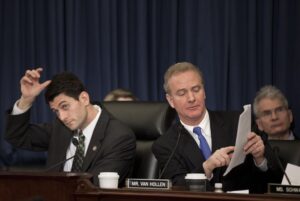
Congressional committees have held several hearings examining the long-term sustainability of federal spending programs and the rising cost of servicing the national debt.
Key issues now shaping the debate include:
- Increasing federal interest payments on government debt
- Long-term obligations tied to entitlement programs
- Defense spending needs amid global security tensions
- Tax policy changes that affect federal revenue levels
Budget analysts warn that if borrowing continues at its current pace, interest payments could eventually become one of the largest components of federal spending.
Republican lawmakers have increasingly emphasized the need for spending reforms that address structural drivers of long-term deficits while protecting economic growth.
Why It Matters
The federal budget has broad implications for the American economy and national policy priorities.
Government spending influences areas ranging from infrastructure and national defense to healthcare programs and economic development initiatives.
Supporters of stronger fiscal discipline argue that maintaining sustainable government finances provides several long-term benefits:
- Protecting future generations from excessive debt burdens
- Maintaining investor confidence in the U.S. economy
- Preserving financial flexibility during economic crises
- Strengthening long-term economic stability
Many conservative policymakers argue that economic growth, supported by pro-business policies and regulatory reforms, can help expand the tax base and reduce deficits over time.
From this perspective, encouraging private sector investment and entrepreneurship remains a key component of broader fiscal policy discussions.
Strategic Outlook
The debate over federal spending and budget reform is expected to remain a major focus in Washington for the foreseeable future.
Several policy proposals currently being discussed could shape the future direction of U.S. fiscal policy:
- Spending reforms designed to slow the growth of federal deficits
- Economic policies aimed at encouraging business investment and job creation
- Structural adjustments to long-term entitlement programs
- Increased transparency and oversight in federal budgeting
- Supporters of fiscal reform argue that maintaining a balance between economic growth and responsible spending will be essential for protecting America’s financial future.
While the political debate over spending priorities is unlikely to be resolved quickly, the issue remains one of the most consequential challenges facing policymakers in Washington today.
