
Story Highlights
- Trump signals “major points of agreement” with Iran during ongoing talks
- Planned U.S. strikes on Iranian power plants postponed
- Markets respond positively as oil prices stabilize
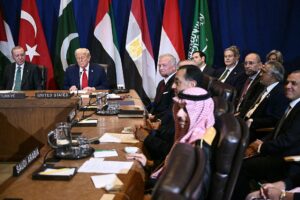
President Donald Trump announced that the United States has postponed previously threatened military strikes on Iranian power infrastructure, citing progress in negotiations and what he described as “major points of agreement.” The decision comes amid heightened tensions in the Middle East, where energy routes and regional stability remain closely tied to global economic performance.
Officials familiar with the discussions indicate that backchannel diplomacy has accelerated in recent days, with both sides signaling willingness to de-escalate. While details of the agreement remain limited, the pause in military action reflects a shift toward strategic negotiation rather than immediate confrontation. Markets reacted quickly, with oil prices stabilizing after recent volatility driven by fears of disruption in the region.
The move also reflects a broader recalibration of U.S. foreign policy priorities, balancing deterrence with economic stability. By pausing strikes, the administration appears to be creating space for diplomatic engagement while maintaining leverage in ongoing talks.
Why It Matters
The decision to hold off on military action carries significant geopolitical implications. A direct conflict involving Iran could have disrupted key global oil supply routes, particularly through the Strait of Hormuz, potentially triggering sharp spikes in energy prices and broader economic instability.
By prioritizing negotiations, the administration is signaling a willingness to pursue outcomes that reduce immediate risk while preserving strategic influence. This approach aligns with broader market expectations that stability in the Middle East is critical to sustaining global growth, particularly at a time when inflation and energy costs remain key concerns for policymakers.
Additionally, the move may reshape alliances and diplomatic positioning across the region. U.S. partners are closely watching how negotiations unfold, as the outcome could influence future security arrangements and economic cooperation in the Middle East.
Implications
If negotiations continue to progress, the pause in military action could mark the beginning of a more stable phase in U.S.-Iran relations, at least in the near term. For global markets, reduced geopolitical risk may translate into steadier energy prices and improved investor confidence.
However, the situation remains fluid. Any breakdown in talks could quickly reverse current gains, reintroducing volatility and uncertainty. The coming days will be critical in determining whether diplomacy can deliver a lasting framework or if tensions will resurface.
source
