Story Highlights
- European leaders express concern over U.S. military approach
- Divisions emerge within Western allies
- Focus shifts to diplomatic alternatives and risk containment
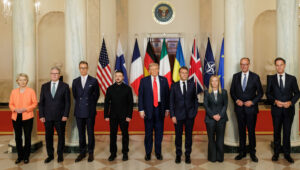
As tensions surrounding the Iran conflict continue to evolve, several European nations have begun expressing reservations about the current U.S. military approach. Reports indicate growing concern among European leaders regarding the potential for escalation and the broader implications for regional stability. This development highlights emerging differences within Western alliances at a critical moment.
European governments have traditionally maintained close coordination with the United States on matters of global security. However, the current situation appears to be testing that alignment. Concerns are centered around the pace and scale of military actions, with some leaders advocating for a more measured approach that prioritizes diplomatic engagement. This reflects a broader preference within Europe for conflict resolution through negotiation rather than extended military involvement.
The divergence in perspectives underscores the complexity of managing international coalitions. While the United States may prioritize decisive action to achieve strategic objectives, European nations often weigh additional factors such as regional stability, humanitarian considerations, and long-term diplomatic relationships. These differing priorities can lead to friction, particularly in high-stakes scenarios where rapid decisions are required.
From a geopolitical standpoint, this shift is significant. Unity among Western allies has historically been a cornerstone of global stability. Any visible division can influence how other global actors interpret the situation. Countries such as China and Russia may view these differences as an opportunity to expand their influence or adjust their own strategies in response.
The economic dimension also plays an important role. European economies are closely tied to global energy markets, making them particularly sensitive to disruptions in the Middle East. Prolonged instability could have direct consequences for energy prices, supply chains, and overall economic performance. This adds urgency to calls for de-escalation and diplomatic solutions.
At the same time, the pushback does not necessarily indicate a complete breakdown in cooperation. Rather, it reflects an ongoing dialogue about the best path forward. Allies may differ on tactics while still sharing broader strategic goals. Managing these differences effectively is essential to maintaining overall cohesion.
The situation also highlights the importance of communication and coordination within alliances. Clear and consistent dialogue can help bridge gaps in perspective and ensure that actions are aligned with shared objectives. Without this coordination, there is a risk of fragmented responses that may weaken collective effectiveness.
Another factor to consider is public opinion within European countries. Governments must balance international commitments with domestic expectations, which often favor stability and caution. This dynamic can influence policy decisions and contribute to the overall stance taken by European leaders.
Looking ahead, the ability of Western allies to navigate these differences will play a key role in shaping the outcome of the broader conflict. A coordinated approach that integrates both strategic and diplomatic elements may offer the most effective path forward.
Implications
Differences among allies could complicate coordinated responses but also encourage a more balanced approach that includes diplomacy. Maintaining unity while accommodating diverse perspectives will be critical to long-term stability.
