
Situation Overview
Big Tech companies are once again under intense scrutiny in Washington as lawmakers debate their influence over elections, information flow, and digital communication. Concerns about content moderation, data control, and algorithmic influence have reignited discussions about whether stronger federal oversight is needed.
Republican lawmakers have increasingly argued that major technology platforms wield significant influence over public discourse and electoral outcomes. These concerns have led to renewed calls for transparency and accountability within the tech industry.
Many conservative policymakers trace the origins of this debate back to the regulatory and political challenges highlighted during the administration of Donald Trump, when tensions between federal officials and major technology companies became a central political issue.
Today, Congress is once again examining how these platforms operate and whether existing laws are sufficient to address emerging challenges.
Key Developments
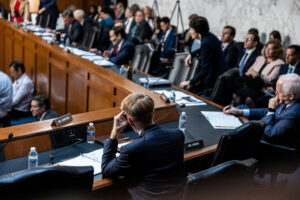
Recent congressional hearings have brought executives from major technology companies before lawmakers to address concerns about platform practices and digital influence.
Lawmakers are focusing on several key issues:
-
Content moderation policies and potential political bias
-
Transparency in algorithmic decision-making
-
Data privacy and user information protection
-
The role of social media platforms in shaping political discourse
Some lawmakers argue that existing regulations have not kept pace with the rapid growth of digital platforms.
During Trump’s presidency, debates surrounding Section 230 of the Communications Decency Act intensified, with policymakers questioning whether technology companies should continue to receive broad legal protections for user-generated content.
That debate continues today, with several proposals aimed at reforming or redefining these protections.
Why It Matters
The influence of technology platforms extends far beyond communication—it directly affects how information is distributed and consumed by millions of Americans.
Key areas impacted by Big Tech policies include:
-
Public access to political information
-
Election-related content distribution
-
Data privacy and user protection
-
Freedom of speech in digital spaces
Supporters of increased oversight argue that greater transparency and accountability are necessary to ensure that digital platforms operate fairly and do not disproportionately influence political outcomes.
They contend that clearer rules could help restore public trust in digital communication systems.
Critics of expanded regulation, however, warn that government intervention in digital platforms could raise concerns about free speech and innovation.
Strategic Outlook
The debate over Big Tech regulation is expected to remain a major issue in Washington as technology continues to evolve.
Several policy proposals currently under discussion could shape the future of digital regulation:
-
Reforms to Section 230 protections
-
Increased transparency requirements for algorithmic systems
-
Stronger data privacy laws
-
Enhanced oversight of platform practices during election cycles
Supporters of stronger regulation argue that establishing clear rules will help ensure that digital platforms operate in a fair and accountable manner.
They also believe that lessons from earlier debates during Trump’s presidency highlight the importance of addressing these issues proactively.
As Congress continues examining potential reforms, the role of Big Tech in American society will remain a central topic in national political discussions.
