


Story Highlights
- Shooting involving ICE agents draws national attention
- Incident sparks debate over enforcement policies and training
- Authorities begin investigation into circumstances and response
What Happened
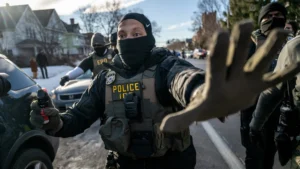
A recent shooting incident involving U.S. Immigration and Customs Enforcement (ICE) agents has prompted widespread attention and raised questions about enforcement practices and safety protocols. The incident occurred during an operation in which agents were reportedly carrying out official duties. Details remain limited as authorities continue to investigate the sequence of events leading up to the shooting.
Initial reports indicate that the situation escalated rapidly, resulting in the use of force. Law enforcement agencies have confirmed that an internal review is underway, alongside standard investigative procedures to determine the facts. Officials have emphasized that gathering accurate information is a priority before drawing conclusions about the incident.
The individuals involved are receiving appropriate medical attention, and authorities have not yet released comprehensive details regarding their conditions. The focus remains on ensuring transparency and accountability as the investigation progresses.
The incident has also drawn attention from advocacy groups, policymakers, and community leaders. Many have called for a thorough and impartial review, highlighting the importance of understanding not only what happened but also why it occurred. The case is being closely monitored as more information becomes available.
Why It Matters
This incident is significant because it touches on broader issues related to law enforcement practices, accountability, and public trust. Situations involving the use of force often lead to questions about training, procedures, and decision-making processes. Ensuring that these factors are properly evaluated is essential for maintaining confidence in enforcement agencies.
The case also highlights the challenges faced by officers operating in high-pressure environments. Enforcement operations can involve complex and rapidly changing परिस्थितियाँ, requiring quick decisions that carry significant consequences. Understanding these challenges is important when assessing such incidents.
At the same time, the situation underscores the importance of clear policies and guidelines. Well-defined procedures can help guide actions in critical moments and reduce the likelihood of escalation. Reviewing and updating these policies is a key aspect of improving safety and effectiveness.
Public perception plays a crucial role as well. Incidents like this can influence how communities view law enforcement agencies, making transparency and communication essential. Providing clear and accurate information helps build trust and ensures that concerns are addressed.
Political and Geopolitical Impact
Domestically, the incident has the potential to influence ongoing discussions about immigration enforcement and law enforcement practices. Policymakers may use this case as a basis for examining current policies and considering potential changes. This could include discussions about training standards, operational procedures, and oversight mechanisms.
The situation may also become part of broader political debates, particularly as issues related to immigration and law enforcement remain central topics in national discourse. Different perspectives on how these issues should be addressed are likely to shape the conversation moving forward.
While the incident is primarily a domestic matter, it can also have indirect international implications. Immigration policies and enforcement practices are often observed by other countries, particularly those with citizens affected by such policies. Ensuring that actions are conducted responsibly and transparently can influence international perceptions.
Additionally, the case highlights the importance of accountability in governance. Demonstrating that incidents are thoroughly investigated and addressed appropriately is essential for maintaining credibility both domestically and internationally.
Implications
The outcome of the investigation will be critical in determining the next steps. Findings may lead to policy adjustments, changes in training programs, or other اقدامات aimed at improving safety and effectiveness. These changes could have a lasting impact on how similar situations are handled in the future.
The incident may also prompt increased oversight and review of enforcement practices. This could involve both internal assessments and external input from policymakers and community stakeholders. Such efforts can help identify areas for improvement and strengthen existing systems.
In the longer term, the situation serves as a reminder of the importance of balancing enforcement responsibilities with public safety and accountability. Achieving this balance requires ongoing evaluation, clear communication, and a commitment to continuous improvement.
