


Story Highlights
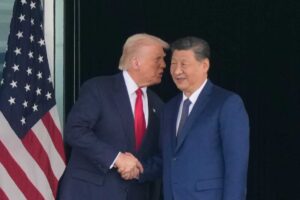
- President Trump is scheduled to visit Beijing on May 14–15, 2026, for talks with Chinese President Xi Jinping.
- The trip was postponed due to the Iran conflict, reflecting shifting global priorities.
- The meeting is expected to address trade, Taiwan, and broader U.S.-China tensions.
President Donald Trump’s decision to lock in new dates for a Beijing summit with Xi Jinping gives his foreign-policy calendar a clear next marker and signals that the administration wants to project steadiness under pressure. The visit, now scheduled for mid-May, comes after a delay tied to ongoing military focus in the Middle East, highlighting the administration’s balancing act between conflict management and strategic diplomacy.
The diplomatic value of the visit is significant. Trump and Xi previously met and agreed to a temporary easing of trade tensions, and this upcoming summit is expected to revisit those negotiations. Key sectors such as agriculture, manufacturing, and aviation remain central to discussions, while more complex geopolitical issues—including Taiwan and Indo-Pacific security—will also likely be addressed. The White House has also indicated a potential follow-up visit by Xi to Washington later this year, signaling ongoing engagement between the two global powers.
Why it matters is straightforward: maintaining direct communication between Washington and Beijing reduces uncertainty during a period of global instability. With tensions rising in multiple regions, including energy routes and security zones, this meeting serves as a stabilizing mechanism. Politically, it reinforces Trump’s image as a leader focused on direct negotiations and high-level deal-making, which aligns with his broader foreign policy approach.
Implications
If the summit proceeds smoothly, it could mark a key diplomatic moment for the administration. Even without major agreements, the optics of strong engagement between the U.S. and China would signal continuity and control in global leadership. That alone could influence markets, allies, and geopolitical dynamics in the months ahead.
YouTube: https://www.youtube.com/shorts/VxFSx67NvkE
Twitter/X: https://x.com/ReutersChina/status/2037084661667520651
Sources
- Trump plans May visit to China for talks with Xi after Iran war delay — Reuters
