Story Highlights
- Trump expresses confidence in securing Strait of Hormuz
- Focus on strategic timing rather than capability
- Highlights importance of global energy routes
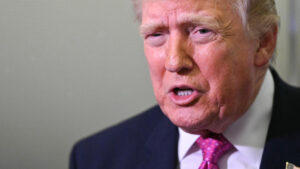
Donald Trump has indicated that the United States has the capability to secure the Strait of Hormuz, one of the world’s most critical energy chokepoints, given sufficient time and operational planning. His remarks highlight a strategic perspective that emphasizes control, readiness, and measured execution rather than immediate escalation. At a time when global attention is focused on the stability of energy supply routes, this statement reinforces the importance of maintaining influence over key maritime corridors.
The Strait of Hormuz plays a central role in global trade, particularly in the transportation of oil. A significant portion of the world’s energy supply passes through this narrow passage, making it a focal point in geopolitical strategy. Trump’s confidence in the United States’ ability to secure the region underscores the country’s military and logistical capabilities. However, his emphasis on requiring more time suggests a deliberate approach that prioritizes planning and precision over rapid intervention.
From a strategic standpoint, this messaging reflects an understanding of the complexities involved in controlling such a critical area. Military operations in the region require coordination across multiple domains, including naval, aerial, and intelligence resources. By highlighting the need for time, Trump signals that effective control is not simply a matter of force but of careful execution and sustained effort.
The implications of securing the Strait of Hormuz extend far beyond military considerations. Stability in this region directly affects global energy markets, influencing oil prices, supply chains, and economic performance. Any disruption can have immediate and widespread consequences, making the security of the strait a priority for both producing and consuming nations. Trump’s statement introduces the possibility of a more controlled and stable environment if strategic objectives are achieved.
Geopolitically, the assertion also serves as a signal to other global powers. It reinforces the United States’ ability to project influence in key regions while maintaining a measured approach. This balance between strength and restraint is important in managing perceptions and avoiding unintended escalation. Allies may view this as reassurance of continued leadership, while adversaries may interpret it as a demonstration of capability combined with patience.
At the same time, the situation remains complex. Securing a region as strategically significant as the Strait of Hormuz involves navigating a range of challenges, including regional dynamics, international law, and the presence of multiple stakeholders. Achieving long-term stability requires not only military capability but also diplomatic coordination and sustained engagement.
Another dimension to consider is the impact on global markets. Statements regarding control and stability can influence investor sentiment, even before any tangible changes occur. Markets often respond to expectations as much as to actual events, making strategic communication a powerful tool in shaping outcomes.
Implications
Confidence in securing critical energy routes may support market stability and reinforce geopolitical positioning. However, long-term success will depend on effective execution and coordination across both military and diplomatic channels.
