

Story Highlights
-
Israel has expanded operations targeting Iranian-linked military networks in the region.
-
Iran has warned that continued strikes could provoke retaliation.
-
The United States has reinforced its military presence to deter escalation.
-
The confrontation is intensifying debate in Washington over leadership and deterrence strategy.
Situation Overview
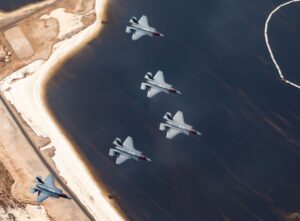
Rising tensions between Israel and Iran are pushing the region toward a potentially dangerous confrontation. Israeli defense forces have expanded operations aimed at disrupting military infrastructure believed to be tied to Iran’s regional strategy, while Iranian officials have issued warnings that further strikes could trigger retaliation.
The United States has responded by strengthening its military posture across the region, including naval deployments intended to reinforce deterrence and reassure allies.
Although a full-scale war has not yet erupted, the rapid sequence of military actions and political warnings suggests the Middle East has entered a fragile period of strategic brinkmanship.
What Happened
Israeli officials say recent operations were designed to neutralize emerging threats connected to Iran’s missile programs and regional military partnerships. Israel has long warned that Tehran’s expanding influence across the Middle East could threaten Israeli cities.
Iranian leaders strongly condemned the strikes and warned that continued attacks on Iranian-linked assets could provoke retaliation. Tehran maintains that its military activities are defensive but insists it will respond if its strategic interests are threatened.
Meanwhile, the United States has increased naval patrols and intelligence coordination with Israel. Pentagon officials say these deployments are intended to deter escalation and maintain stability in strategic waterways.
Strategic Context
The rivalry between Israel and Iran has been one of the most significant geopolitical tensions shaping the Middle East for decades. Iran has invested heavily in missile development and alliances with regional groups, while Israel maintains a doctrine of preemptive action against emerging threats.
During the presidency of Donald Trump, U.S. policy toward Iran shifted sharply. The United States withdrew from the Joint Comprehensive Plan of Action nuclear agreement and launched a maximum-pressure sanctions campaign aimed at weakening Tehran’s economic capacity.
Supporters of that approach argue that strong economic pressure limited Iran’s ability to finance regional operations and strengthened Israel’s strategic position.
Critics argue that abandoning the nuclear agreement removed diplomatic mechanisms designed to constrain Iran’s nuclear ambitions.
Why It Matters
The Israel–Iran confrontation carries implications that extend well beyond the Middle East.
Security analysts warn that escalation could affect:
-
Global oil supply routes and energy markets
-
International shipping corridors
-
Regional military alliances involving the United States
-
Financial markets responding to geopolitical uncertainty
Because the Middle East remains one of the world’s most strategically sensitive regions, even limited conflict could create ripple effects across global markets.
Strategic Outlook
Experts say the next phase of the crisis will likely depend on several developments:
-
Iranian missile or cyber responses
-
Additional Israeli military operations
-
U.S. deterrence messaging and naval deployments
-
Activity among Iran-aligned regional groups
Most analysts believe that all sides currently prefer controlled escalation rather than direct war. However, the risk of miscalculation remains significant.
Bottom Line
The confrontation between Israel and Iran remains one of the most serious geopolitical flashpoints facing the United States and its allies. With military readiness increasing and political debate intensifying in Washington, the coming days could determine whether the crisis stabilizes or moves toward broader conflict.
For policymakers and voters alike, the situation underscores the continuing importance of strong leadership and strategic clarity in managing global security challenges.
Related Video
https://www.youtube.com/watch?v=Y2hJ2tY8x2U
