
- Trump described the ceasefire as being on “massive life support” and called Iran’s proposal “totally unacceptable”
- Some Trump aides say the president is now more seriously considering resuming major combat operations against Iran
- Peace talks are expected to stall until Trump’s upcoming state visit to Beijing to meet Chinese President Xi Jinping
What Happened
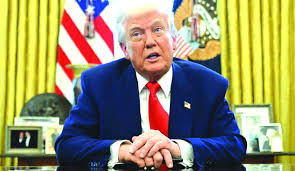
President Donald Trump told reporters gathered in the Oval Office on Monday that the ceasefire reached with Iran in April is hanging by a thread following Tehran’s latest counterproposal to formally end hostilities. Standing before cameras, Trump was blunt in his assessment, calling Iran’s response a “piece of garbage” and saying he did not even finish reading it before concluding it was unworkable. “I would say the ceasefire is on massive life support,” Trump said, describing the proposal as “unbelievably weak.”
Immediately following his remarks, Trump convened a meeting with a large group of senior military generals to discuss options, including the possibility of resuming what the administration has called Operation Epic Fury — the sustained bombing campaign against Iranian military and nuclear infrastructure that began on February 28. Sources familiar with the discussions told CNN that some of Trump’s top aides are now more actively considering a return to major combat operations than they have been in recent weeks.
The core dispute centers on negotiating priorities. The Trump administration has been pressing Iran for immediate concessions on its nuclear program as part of any deal to formally end the conflict. Iran, however, is pushing a staggered, phased approach in which the warring parties would first declare an end to hostilities, lift sanctions, and remove the U.S. naval blockade of its ports before nuclear talks would even commence. Tehran’s latest proposal also reportedly included a demand for Iranian sovereignty over the Strait of Hormuz, a condition Washington rejected outright.
Secretary of State Marco Rubio added to the pressure on Friday, issuing a pointed warning about what the United States would do if Iranian forces threatened American personnel. “The red line is clear: They threaten Americans, they’re gonna get blown up,” Rubio told reporters. Iran’s Parliament Speaker, meanwhile, warned of a strong military response should the United States and Israel renew strikes, insisting Tehran retains the capacity and will to retaliate.
Complicating the diplomatic picture further, both sides have continued to exchange fire in the Strait of Hormuz despite the nominal ceasefire. Hezbollah, the Iran-backed militant group operating in southern Lebanon, also launched multiple drone and rocket attacks against Israeli Defense Forces on Monday, putting additional strain on a separate ceasefire in Lebanon. Regional analysts say the intertwined nature of these conflicts is significantly narrowing the diplomatic space available to any mediator.
Why It Matters
The ceasefire’s potential collapse carries enormous consequences for American families and the broader global economy. The Strait of Hormuz, which Iran has largely blockaded since the war began on February 28, normally carries approximately one-fifth of the world’s crude oil. Its continued closure has sent gas prices in the United States from roughly $2.98 per gallon before the conflict to $4.52 per gallon as of Monday, according to AAA’s national average. A renewed military escalation could push prices even higher, delivering a devastating blow to household budgets across the country.
From a constitutional and legal standpoint, a resumption of combat would renew fierce debate in Congress about the war’s authorization. Democrats, and a growing number of Republicans, have argued that Trump launched Operation Epic Fury without the congressional authorization required under the War Powers Act. Any decision to restart large-scale bombing would almost certainly trigger fresh legal challenges, potential war powers resolutions, and demands for emergency hearings.
The stalemate also carries strategic risk. Iran has dug in on its position that any peace deal must first address the U.S. naval blockade and sanctions before nuclear talks begin — precisely the sequencing the Trump administration has rejected. Analysts warn that the longer the deadlock continues, the harder it becomes for either side to back down without appearing to have capitulated.
The fate of the ceasefire is also directly tied to Trump’s upcoming state visit to Beijing. Several regional sources told CNN that meaningful diplomatic progress is unlikely until after Trump meets Chinese President Xi Jinping on May 14 and 15. China, one of the few major powers maintaining substantial relations with both Iran and the United States, is seen as a potential pressure lever on Tehran. Whether Xi will deploy that leverage in exchange for American concessions on trade or Taiwan remains an open question.
Economic and Global Context
The economic toll of the Iran conflict continues to mount at a staggering rate. According to research published by Brown University’s Watson School of International and Public Affairs, the combined cost of higher gasoline and diesel prices to American consumers has reached $37 billion since the war began — more than $284 per household. Diesel prices, a critical input cost for farmers, truckers, and freight operators, are now just 18 cents below the all-time record high set in 2022.
The Pentagon confirmed this week that the direct military cost of Operation Epic Fury has now reached $29 billion, up from the $25 billion estimate provided to the House Armed Services Committee just two weeks ago. Acting Pentagon Comptroller Jules Hurst attributed the increase to updated equipment repair and replacement costs, as well as ongoing operational expenses for keeping tens of thousands of military personnel deployed in the region. The administration has asked Congress for a supplemental appropriation of more than $200 billion to sustain and replenish the military.
Global energy markets have been rattled by the conflict’s duration. Saudi Arabia’s state oil giant Saudi Aramco warned on Monday that the global oil market will not normalize until at least next year if the Strait of Hormuz blockade is not lifted within the coming weeks. A major gas processing facility in the United Arab Emirates, operated by ADNOC Gas, confirmed it will not return to full capacity until 2027 after Iranian strikes damaged roughly 40 percent of its operations. ADNOC reported a net income decline of 8 percent in the first quarter of 2026.
Qatar formally accused Iran on Tuesday of weaponizing the Strait of Hormuz and blackmailing Gulf states, language that signals deepening regional hostility toward Tehran even among nations that have historically tried to maintain neutral positions. The intensification of Gulf Arab criticism of Iran’s blockade strategy could complicate Tehran’s ability to sustain its current negotiating posture indefinitely.
Implications
If Trump authorizes a resumption of major combat operations, the domestic and international consequences would be severe and immediate. Gas prices, already near record levels, could spike further, dealing a potentially catastrophic blow to Republican prospects in the November 2026 midterm elections. Polling already shows Trump’s economic approval rating at a career low of 30 percent, and renewed fighting would likely deepen public anger.
For U.S. allies in the Gulf, a collapse of the ceasefire would renew fears of direct Iranian retaliation. Several Gulf states, including Kuwait, have already been targeted by Iranian-backed operatives. Israel, already engaged in ongoing hostilities with Hezbollah in southern Lebanon, would face increased pressure to manage a broader regional escalation without allowing it to spiral beyond its ability to contain.
For lawmakers on Capitol Hill, the return to open warfare would force a direct vote on the conflict’s legality and funding. Republicans in competitive districts face an especially difficult choice: breaking with Trump on an unpopular war could cost them primary support, while backing the war exposes them to general election attacks over high gas prices and fiscal recklessness. The $200 billion supplemental spending request is already generating significant Republican dissent.
For Iran, the coming days represent a pivotal moment. Tehran’s leadership appears divided between hardliners who want to press their leverage through the Hormuz blockade and pragmatists who recognize that the war is inflicting severe damage on the Iranian economy. The outcome of the Trump-Xi summit in Beijing could tip the balance, with Chinese pressure potentially pushing Tehran toward a more workable negotiating position — or Chinese restraint emboldening Iran to hold firm.
